BASIC
INSTINCT

Art experiences designed to tune the human body.

Scroll ↓

We have optimized ourselves into disconnection.

BASIC INSTINCT creates art that brings you back to your senses.

Immersive worlds of sound, light and touch.
Informed by nature, neuroscience and somatics.

Less overwhelm,
more room to feel.

Why now

322M
People live with depression2023 estimate / WHO fact sheet, September 2026
470M
People live with anxiety disorders2023 estimate / WHO fact sheet, September 2026
1 in 6
People experience lonelinessWHO 2025 report / data from 2014–2023
US$1T
In productivity lost each year to depression + anxietyAn estimated 12B working days lost each year / WHO

We need more places to feel present, alive and connected.

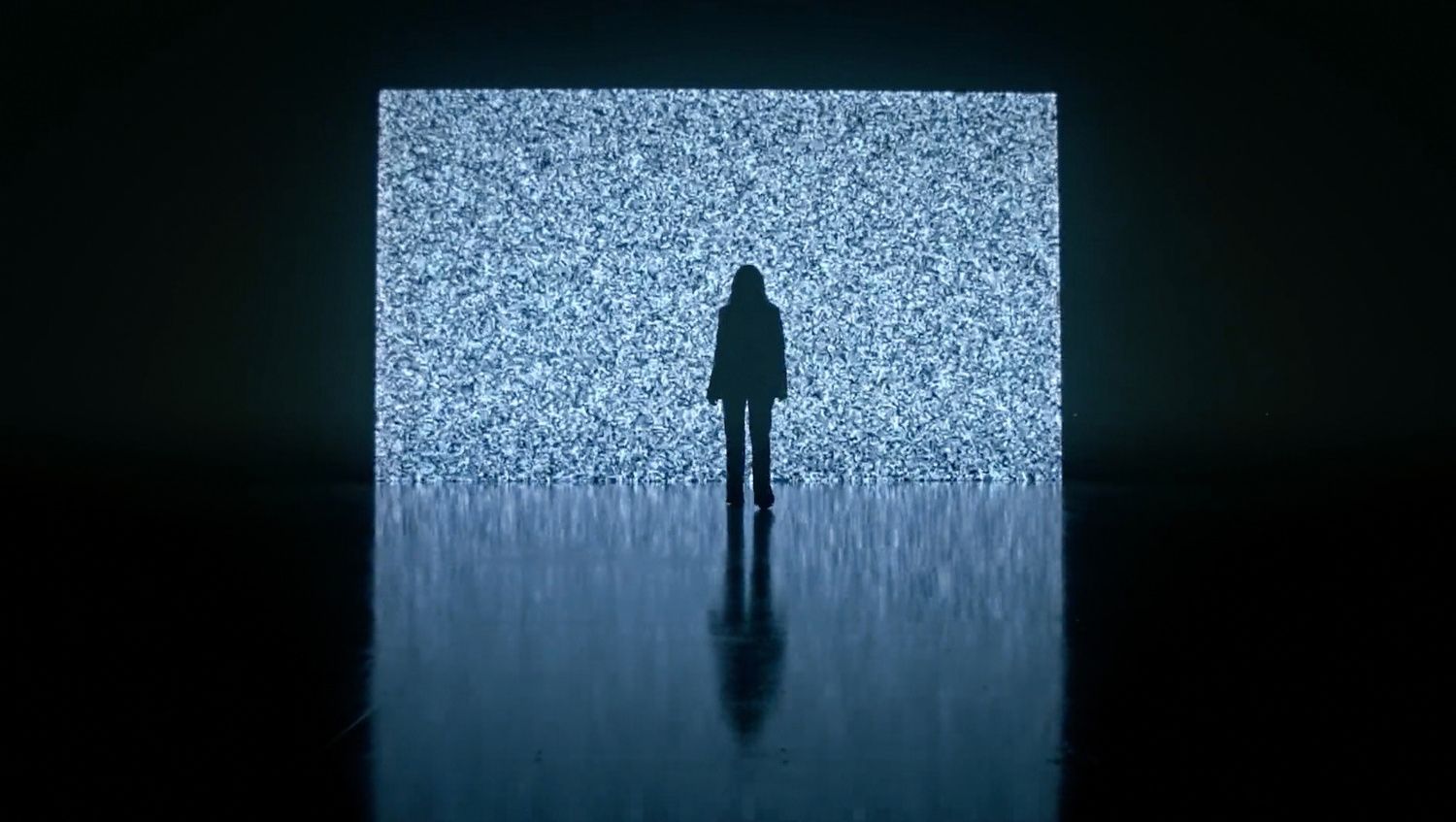
A figure standing before a wall of static light

The first work

INSTINCT/SOUND

An enveloping sound-and-light experience that moves from dusk through night into dawn.

  1. 01 · Dusk

    You enter an intimate, womb-like chamber. Natural field recordings unfold around and above you.

  2. 02 · Night

    As the light softens, the soundscape settles into night. Small details come forward. Moments of mist, rain, moving air and warmth. Settle into one place or explore.

  3. 03 · Dawn

    Light begins to return. A dawn chorus gathers, opening the experience back onto the world.

The aim: to leave feeling more present in your body and more awake to the world around you.

Proposed format: one shared room. The prototype will establish duration, capacity and the final sensory elements.

Sensory references

Art that changes how we encounter space

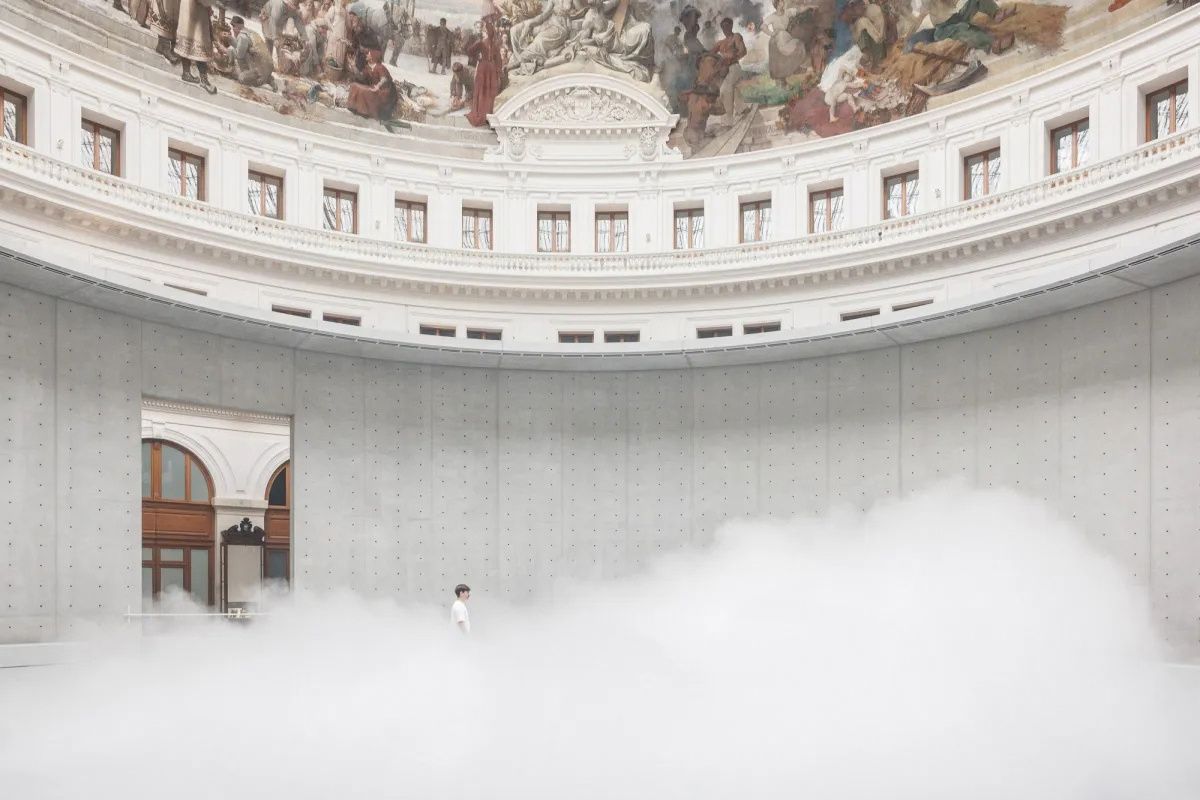
Fog filling a domed hall
Nakaya / Fog
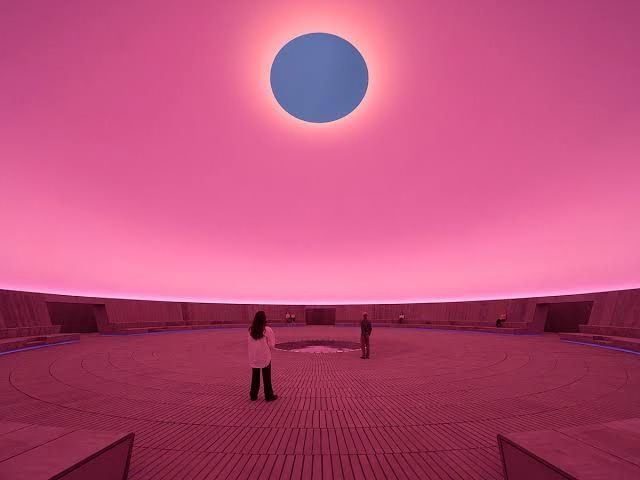
A skyspace with a circular aperture in a pink room
Turrell / Perspective
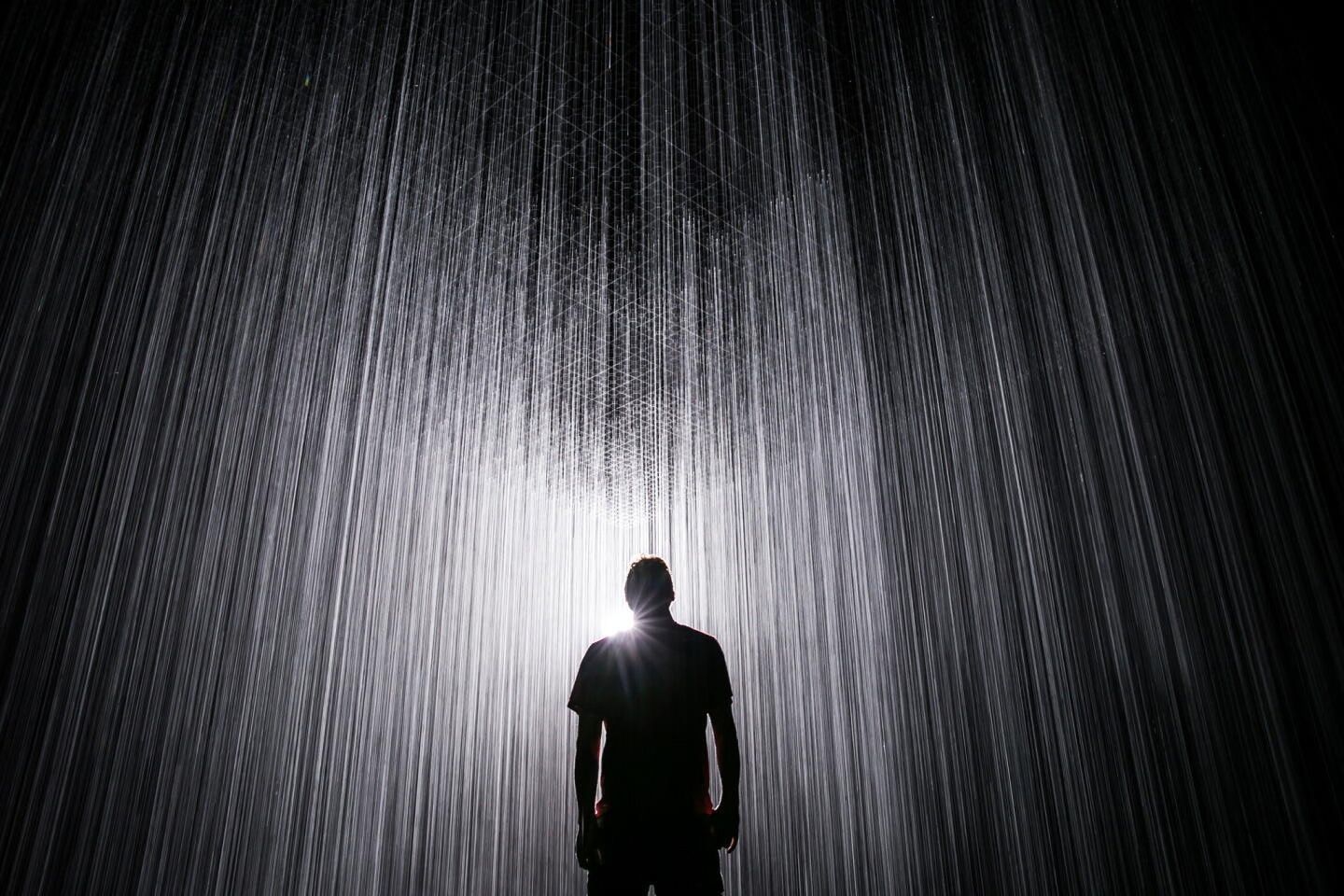
A silhouette standing in a curtain of falling light
Random Intl / Rain

Why art

Wonder is the way in.

A field of light.
Sound with depth and distance.
Air made tangible.

Art gives us a reason to enter, stay and explore. It can make an ordinary sensation unfamiliar enough to notice again. BASIC INSTINCT works through that curiosity, composing an experience people can discover for themselves.

The intention is in the design.
The freedom is in how you experience it.

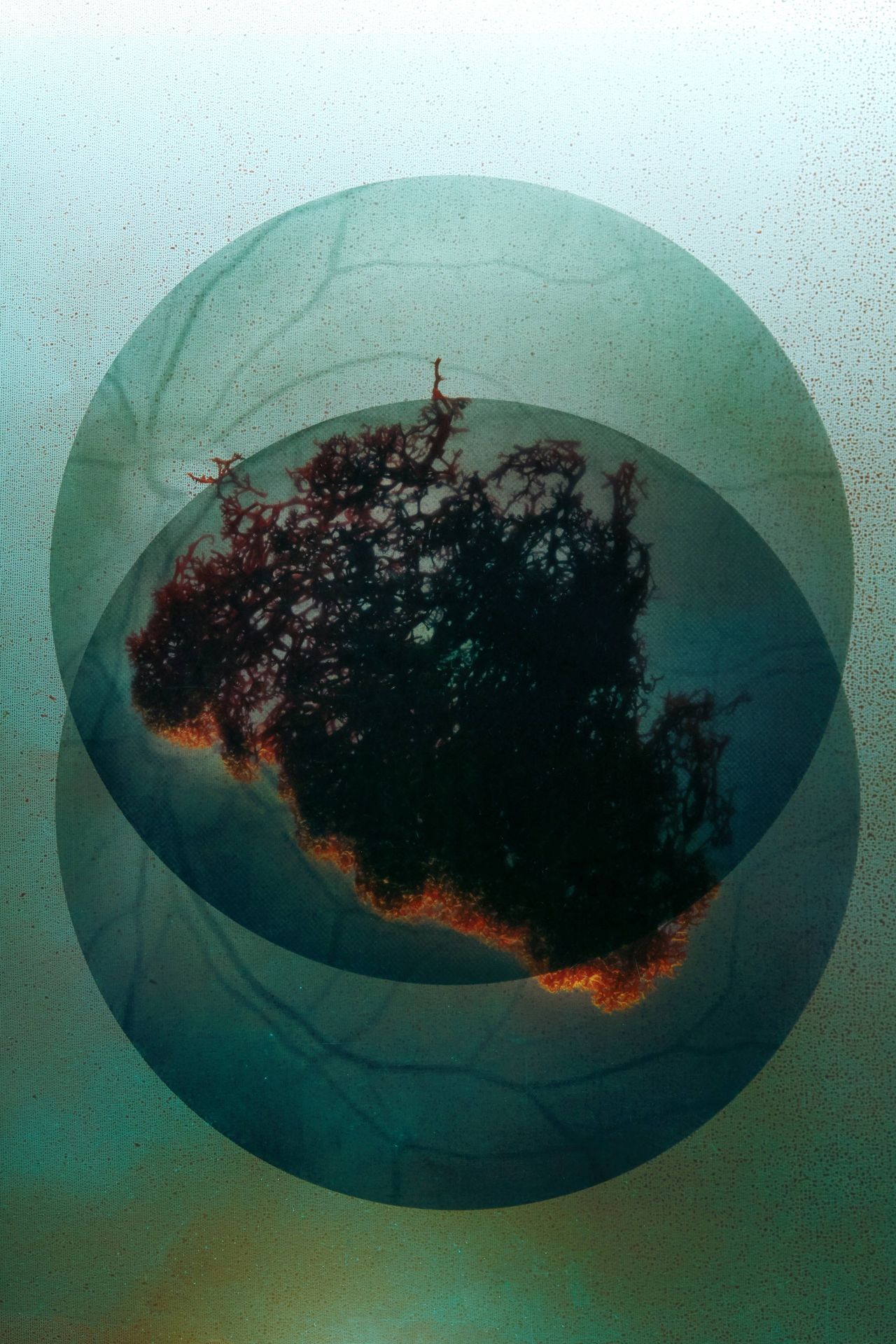
A dark organic form between two overlapping circles

Why nature

Nature gives us patterns to compose with.

Depth and distance. Rhythm without exact repetition. The changing light between dusk + dawn.

  • Sound

    A laboratory study found faster recovery on a physiological stress measure with natural sound than with loud environmental noise. Alvarsson, 2010

  • Brain

    Nature exposure is linked to changes in brain activity related to stress, attention and restoration. Baquedano et al., 2026

  • Space

    In a virtual-office experiment, participants recovered better from induced stress in environments with biophilic features. Yin et al., 2020

Research into natural sound, nature exposure and biophilic space informs how we approach the work. See the research ↓

Our approach

We compose for the body.

Architecture shapes how we move and where we settle. Research into perception informs the sound and light. Somatic practice keeps us attentive to how the experience feels.

Pacing
Gradual transitions, clear points of focus and room for stillness.
Composition
Sound, light and material developed together, every element earning its place.
Freedom
Enough guidance to feel at ease with space to find your own way.

Deep intention shapes every detail, so the experience feels effortless and personal.

No technique to master. No right way to feel. Less work, more play.

The first prototype

Master the sound. Build the space around it.

We begin with mastering sound; space and visual field develop around it. The prototype gives us a room to compose, test and refine the experience.

  1. 01 / Define

    Agree on the creative brief, recording rights, test space, technical options and responsibilities. Establish an itemized budget.

  2. 02 / Compose + test

    Build a complete dusk–night–dawn sound sequence. Compare versions with and without an urban opening. Explore listening positions, enclosure and occupancy. Establish the footprint and capacity that preserve efficacy and intimacy.

  3. 03 / Integrate

    Introduce a working light treatment and selected tactile materials. Refine the experience through ~2 rounds of invited sessions.

  4. 04 / Prepare

    Document the findings and recommend a public version, with a budget, schedule, host requirements and an assessment of what can travel.

The result: a working prototype and a costed plan for its first public presentation.

What we need to learn

Visitor experience will shape the work.

Felt experience
How do people feel before and after? Gather brief responses and reflections.
Artistic experience
Which moments hold attention, invite exploration or interrupt the journey? Refine the composition accordingly.
Delivery
Which room size, audience capacity and equipment configuration preserve the experience at a workable cost?
Interest
Would visitors return or recommend it? Explore host interest.

Proposed first audience: small groups of LA/NY adults interested in art and sensory experience, recruited beyond the immediate team’s network and with varied sensory preferences.

Each round helps us shape the experience and the plan for presenting it publicly.

Players + advisors

The people composing it

Jenya James Hamidi

Award-winning producer and executive producer with nearly 20 years across commercial, documentary and live work. Previously ran an integrative healing collective, bringing experience in both creative production and convening practitioners around human well-being.

Tracey Arcabasso Smith

US Head of Design and Creative Fellow at Deloitte Digital. A filmmaker and brand builder whose practice spans global campaigns, immersive experiences and independent film.

Oskar Bocquillon

Head of Creative Spatial Experiences at WHY Architecture, with experience translating cultural narratives into exhibitions and immersive environments.

Garth Paine, PhD

ASU professor, composer and acoustic ecologist whose work connects environmental listening with immersive sound. Artist and researcher residencies at IRCAM and ZKM.

David Rabin, MD, PhD

Psychiatrist, neuroscientist and Apollo Neuroscience co-founder. Author of A Simple Guide to Being Alive, bringing clinical experience and two decades of research into chronic stress.

Gordon Hempton

Emmy Award-winning acoustic ecologist with more than 40 years recording the natural world. His work brings exceptional depth in field recording and the preservation of natural quiet.

Jennifer Walsh

Advisor for Biophilic Projects at Penn’s Center for Neuroaesthetics. Entrepreneur and Beauty Bar founder, connecting nature, the built environment and everyday experience.

Chloe Alexandra Thompson

Artist, composer and spatial-audio specialist. Former Meow Wolf audio designer, with experience designing and implementing complex multichannel sound environments.
The development fund

Provisional development target $60,000

To compose, build and test the first prototype. The fund supports creative and technical development, recording rights, test-space access, light and material studies, and screening/test sessions.

Development will deliver

  • A complete spatial sound composition with a working light treatment.
  • A tested room configuration, refined through visitor feedback.
  • A plan for the first public presentation, including budget, host requirements and portability.

This phase establishes what the public installation needs — and what it will cost. Final scope, budget and schedule will be confirmed through technical scoping and test-space access.

Working budget

ServiceCost
Creative + technical scoping$6,000
Creative production and project management$8,000
Sound composition; spatial-audio development$12,000
Recordings and rights$3,000
Test space, equipment, tech crew$8,000
Light and tactile-material studies$7,000
Invited sessions, documentation and insurance$5,000
Administration and est. fiscal-sponsor fees$5,000
Contingency$6,000
Total$60,000

Illustrative allocation for scoping. These are planning allowances, not actual quotes. The model assumes access to an existing spatial-audio room rather than construction of a dedicated venue.

Proposed schedule ≈ ten weeks after funding and test-space confirmation

  1. Weeks 1–2Scope, rights review and technical plan.
  2. Weeks 3–5Sound composition and spatial tests.
  3. Weeks 6–8Light integration, invited sessions and revision.
  4. Weeks 9–10Documentation and public-build planning.

Scoping will confirm the schedule, staffing and dependencies. Partial funding would support a separately agreed first stage.

The public work & beyond

The next step is a public presentation shaped by what the prototype teaches us.

Development will establish

  • Room dimensions, acoustic requirements and audience capacity.
  • Equipment, staffing, setup time and operating costs.
  • Access needs and ways to participate comfortably.
  • Recording licenses and material requirements.
  • Packing, transport and the limits of adaptation between venues.

Mist, water and more complex fabrication remain options to assess against their artistic contribution and production demands.

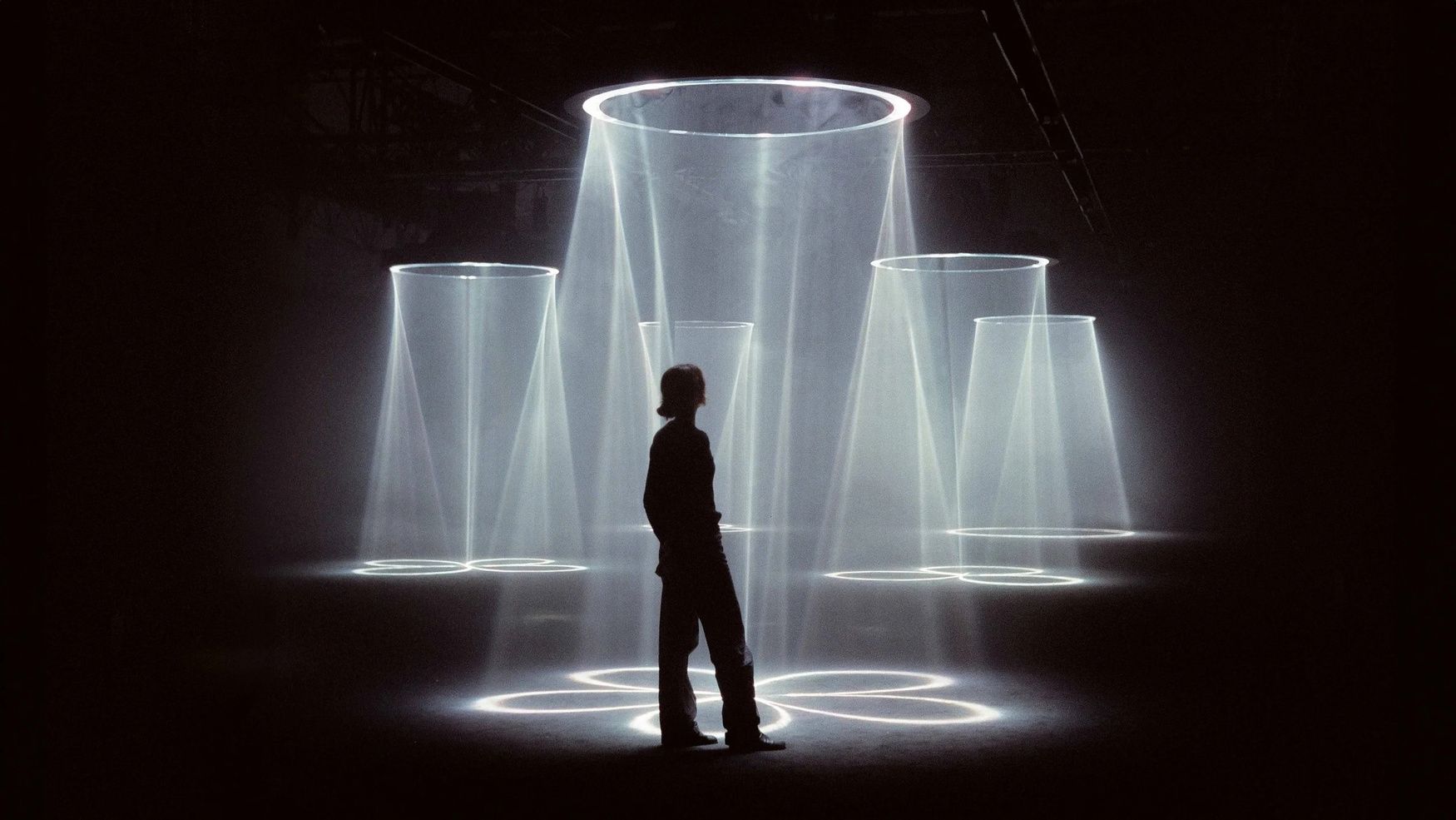
A figure standing among cones of light

/Future instinct

Presentations + commissions

Public runs, cultural partnerships and work commissioned for particular spaces.

Smaller formats

Pop-ups or pods developed around the elements that prove essential.

Sensory design services

Creative direction and sensory design for partners, with a defined scope.

Further ahead

Additional sensory works, digital formats or a dedicated venue.

The research

What the evidence does — and doesn’t — say

Natural sound
Alvarsson et al. studied 40 participants after a stress task. Results supported recovery on skin conductance; the heart-rate-variability measure showed no effect. Study, 2010
Biophilic space
Yin et al. studied 100 participants in virtual offices. Biophilic conditions supported short-term recovery after induced stress. The study did not test a physical installation like INSTINCT/SOUND. Study, 2020
Nature and the brain
Baquedano et al. reviewed neuroscience research on nature exposure. The varied stimuli, settings and measures make careful translation into design essential. Review, 2026
Shared experience
Cheong et al. found that synchronized responses during shared television viewing predicted reported social connection. Whether similar relationships emerge here remains a question. Study, 2023

Bring the first work into being

We’re inviting founding supporters and collaborators to help shape INSTINCT/SOUND.

The next step is a working prototype. We are seeking development funding, access to a spatial-audio test space and production partners to help bring it into physical form. Founding supporters will experience the work as it develops and see how their contribution shapes its first public presentation.

Help create a place to feel present, alive and connected.

Philanthropic

Your support makes space for artistic experimentation and a public future for the work.

This phase funds the prototype, pays the people developing it and establishes a presentation plan that addresses who can attend and how.

Cultural host

We are seeking a development partner to help shape the first public presentation of INSTINCT/SOUND.

Together, we would establish the audience, spatial requirements and presentation budget, with the prototype providing a shared basis for those decisions.

Corporate partner

We are seeking a founding partner to support the development of INSTINCT/SOUND and explore a future presentation for an agreed audience.

The development phase will establish the experience, delivery requirements and a focused account of visitor responses.